
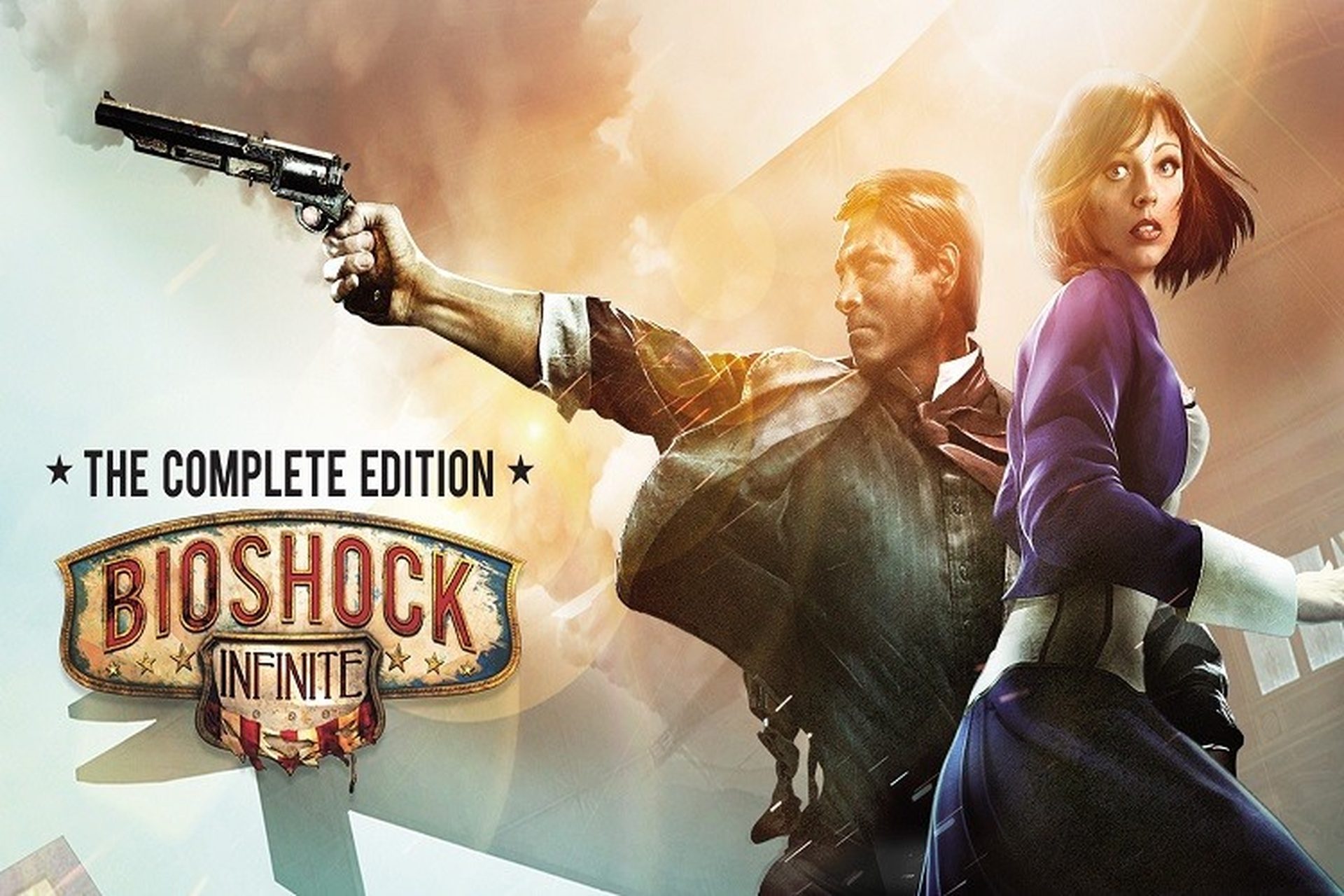
Bioshock: A Deep Dive into the Philosophical Themes of the Game
Bioshock stands as one of the most influential video games in the industry, not only due to its innovative gameplay mechanics but also for its rich narrative interwoven with profound philosophical themes. Set in the dystopian underwater city of Rapture, the game invites players to explore psycho-ethical questions tied to human nature, free will, and morality. As you dive into its depths, you're not just an observer; you're challenged to confront the very principles that govern society, human behavior, and choice.
The Philosophy of Objectivism
One of the most prominent themes present in Bioshock is Objectivism, a philosophy founded by Ayn Rand. The game presents a world where individuals strive for personal ambition and success, often at the expense of others. Andrew Ryan, the game's antagonist, embodies these ideals through Rapture’s guiding tenets: "No gods or kings, only man." Players witness the consequences of a society that embraces radical individualism and rejects altruism, leading to moral decay and societal collapse. Throughout their journey, players interrogate the value of self-interest and the ethics of their choices, prompting them to reflect on real-life implications of such philosophies.
Free Will vs. Determinism
Another central theme explored in Bioshock is the dichotomy of free will versus determinism. The game's infamous aspect of mind control through the "would you kindly" phrase serves as a profound example of how our choices can be manipulated by external forces. Players experience moments where their autonomy is questioned, compelling them to consider whether their actions are truly their own or merely responses to conditioning. This exploration raises questions regarding individual agency in a society rife with control mechanisms—whether they are political, social, or technological—and ultimately leaves players pondering the significance of true free will in their own lives.
The Consequences of Ideologies
Bioshock also meticulously dissects the consequences of ideologies and their practical application. Through its narrative and characters, the game reveals how visions of utopia can lead to dystopia. The scientific advancements in Rapture, initially aimed at enhancing humanity, become instruments of destruction and despair. This transformation serves as a critique of unchecked ambition and the ethical void that can accompany the pursuit of progress. The visual storytelling and environment design—crumbling architecture, decaying life—further reinforce this thematic exploration, encapsulating the tragic outcome of a society that strayed too far from equilibrium.
The Legacy of Bioshock
Beyond the captivating gameplay and its philosophical quandaries, the cultural impact of Bioshock resonates in various ways, including the growing popularity of Bioshock Merch. The merchandise allows fans to carry a piece of this complex world with them, whether through collectible figurines, art books, or clothing that encapsulates the game’s aesthetic and themes. Such items serve as not just objects of nostalgia but as conversation starters about the philosophical implications embedded in the lore of Rapture. As players don the visuals of their favorite characters or environments, they engage in an ongoing dialogue about the principles interrogated throughout the game, illustrating how art can transcend its medium.
In conclusion, Bioshock is not merely a video game; it's a profound commentary on the human condition, filled with intricate philosophical themes that demand reflection. The exploration of Objectivism, free will, and the consequences of ideologies makes it a standout title that resonates deeply with players and critics alike. The ongoing appreciation for Bioshock—bolstered by the diverse range of Bioshock merch—ensures that its thought-provoking essence continues to inspire discussions well beyond the screen, challenging us to explore our understanding of ourselves and the world around us.


