
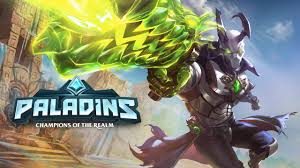
Paladins vs. Overwatch Which Hero Shooter Reigns Supreme?
Paladins vs. Overwatch: Which Hero Shooter Reigns Supreme?
In the world of online multiplayer shooter games, two titles frequently come up for debate: Paladins and Overwatch. Both games have carved out a significant niche for themselves, attracting numerous players and building passionate communities. While both share similar concepts, they approach gameplay, character design, and monetization strategies in distinct ways. This blog will explore the differences and similarities between Paladins and Overwatch, ultimately answering the age-old question: Which hero shooter reigns supreme?
Gameplay Mechanics and Objectives
Paladins and Overwatch both feature objective-based game modes where teams of players battle against each other using heroes with unique abilities. However, the gameplay mechanics diverge in significant ways. Paladins offers a loadout system that allows players to customize their characters to enhance specific abilities, providing an added layer of strategy that can adapt to various gameplay styles. In contrast, Overwatch characters are more fixed in their designs, promoting teamwork and synergies between heroes. Each game fosters unique strategies, but Paladins emphasizes a more individualized approach to hero selection and adaptability.
Character Diversity and Design
When it comes to character variety, both games boast an impressive roster of heroes. Overwatch is known for its richly detailed backstories and character designs, drawing players in with immersive narratives. The game frequently updates and adds new heroes, maintaining interest among its fanbase. On the other hand, Paladins also showcases a diverse character lineup, but with a more fantasy-oriented aesthetic. Each champion in Paladins is designed to fit different playstyles, from tanks to supports, which provides players with a wide array of choices. The charm of Paladins lies in its whimsical art style and customizable nature, which has led to a robust selection of Paladins Merchandise that showcases beloved champions. Players can find everything from action figures to apparel, contributing to the game's vibrant community culture.
Monetization Strategies
Both games adopt different approaches when it comes to monetization. Overwatch operates on a buy-to-play model, which allows players to purchase the game initially, with frequent updates and seasonal events that often introduce new content for free. In contrast, Paladins is free-to-play, supported by microtransactions that encourage player investment through character purchases, cosmetic items, and champion unlocks. While some players appreciate the upfront cost of Overwatch, the accessibility of Paladins allows it to reach a wider audience. The different payment models also lead to discussions about fairness and equity among players, impacting overall enjoyment and player satisfaction.
Community and Competitive Scene
Both games support thriving communities and competitive scenes, fostering dedicated player bases that engage deeply with their respective games. Overwatch has established itself with prominent esports leagues that attract teams and players worldwide, offering substantial stakes. Paladins, while not as renowned in competitive gaming, still hosts tournaments and leagues that celebrate player skill and teamwork. The importance of community interaction in both games cannot be overlooked, as forums, fan art, and events contribute to the growing ecosystems surrounding each title. Overall, the depth of community engagement can play a crucial role in determining which game players choose to devote their time and effort.


